


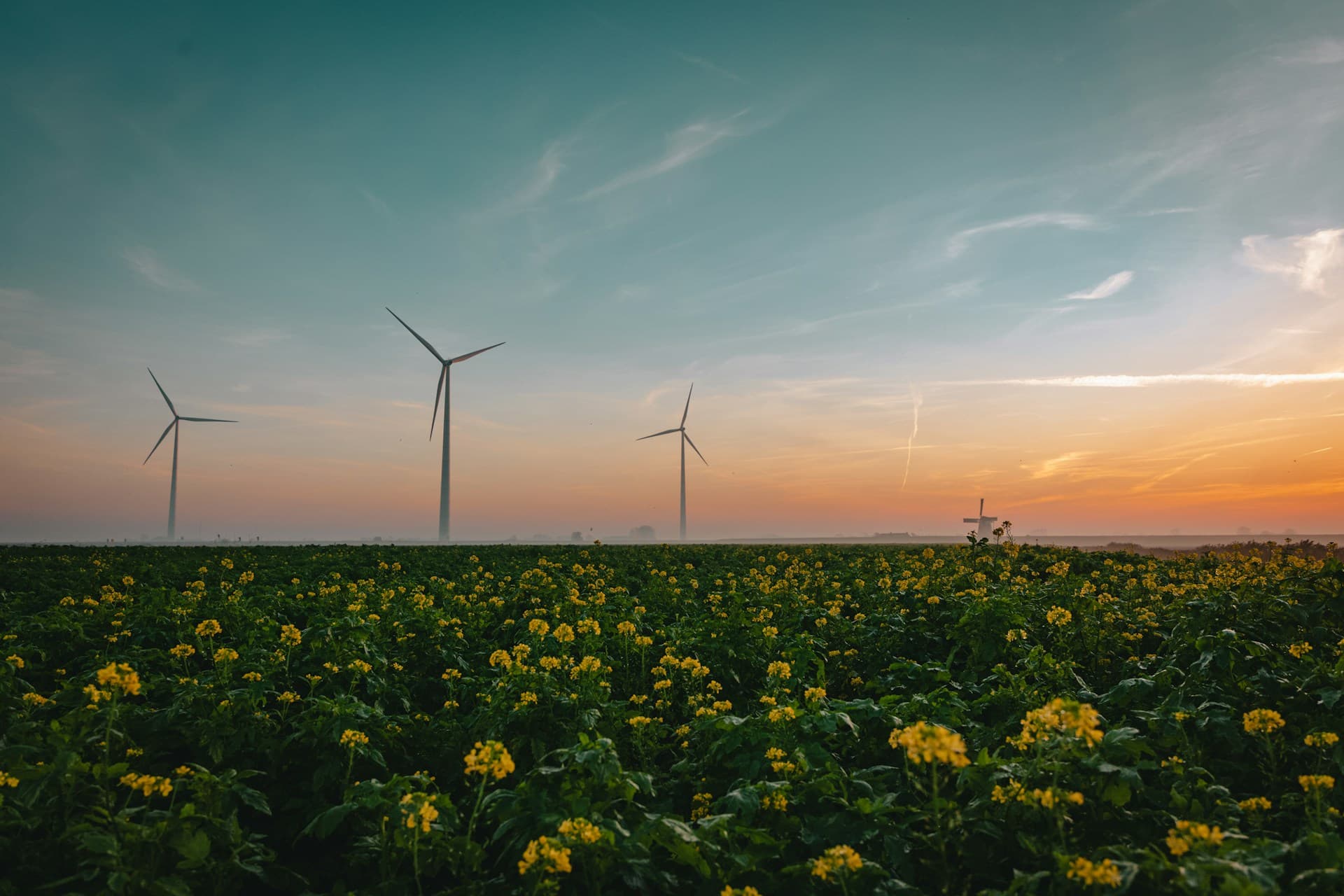
Nature, in its vast and silent efficiency, gives us the energy for free. The wind doesn’t send an invoice; the sun doesn't charge for overtime. But as we celebrate the International Day for Clean Energy, we have to face a sobering reality: the energy might be free, but the human precision required to capture, manage, and report it comes at a significant price.
In boardroom presentations, the "Energy Transition" is often depicted as a smooth, inevitable slide toward a greener horizon. But for those operating in the thick of it, the truth is far less poetic. The path to a net-zero future is currently paved with messy, fragmented, and often exhausting data.
The Myth of the "Paper Pledge"
It has become relatively easy to pledge a net-zero future on a glossy PDF. It is significantly harder to prove that pledge at 3:00 AM on a Tuesday across seventy different operational sites.
The gap between a corporate commitment and an audit-ready reality is where most sustainability strategies fail. We see organizations struggling not with the will to change, but with the visibility to act. When your energy data lives in siloed spreadsheets or manual logs, you aren't managing a transition—you’re managing a ghost.
1. Beyond the "Ghost in the Machine"
Most energy leaks in modern organizations aren't technical; they are informational. We call this the "Ghost in the Machine." It’s the phantom waste that occurs because the data required to stop it is trapped at the edge of the organization.
To lead in 2026, we must stop treating energy data like a compliance chore and start treating it like the connective tissue of the business. You need a digital pulse that reaches the factory floor, the remote field, and the charging station in real-time. Without that pulse, "optimization" is just a buzzword.
2. Trading the Rearview for the Windshield
For decades, energy management has been a "rearview" discipline. We looked at last month’s bills or last quarter’s consumption to see how we performed. In a stable, fossil-fuel-driven world, that was a luxury we could afford.
In the clean energy era, that rearview view is a liability. Clean energy is variable, decentralized, and fast. Leadership today requires a windshield view—the ability to identify a bottleneck, a surge, or a failure before it becomes a breakdown or a massive compliance fine.
3. The End of "Greenhushing"
In 2026, a commitment is only as heavy as the data backing it up. The era of vague sustainability claims—and the subsequent "greenhushing" (staying silent to avoid scrutiny)—is over.
Transparency is no longer just a way to avoid a penalty; it is the only way to earn the right to lead. Stakeholders, auditors, and customers are demanding a digital trail that is as robust as a financial audit. The fog of "estimated" data must be replaced by the clarity of recorded reality.
Where Tekmon Meets the Moment
At Tekmon we understand that the "Last Mile" of digitization is the hardest part of the journey. Our no-code architecture is designed to capture reality exactly where it happens. We remove the friction for the frontline worker, ensuring that data is captured accurately and effortlessly at the source.
By turning the entropy of global operations into a single, elegant stream of truth, we help organizations move from a leap of faith to a calculated, confident step forward.
The transition to clean energy is inevitable. The clarity you have while making it is a choice.
“The more clearly we can focus our attention on the wonders and realities of the universe, the less taste we shall have for destruction.” — Rachel Carson