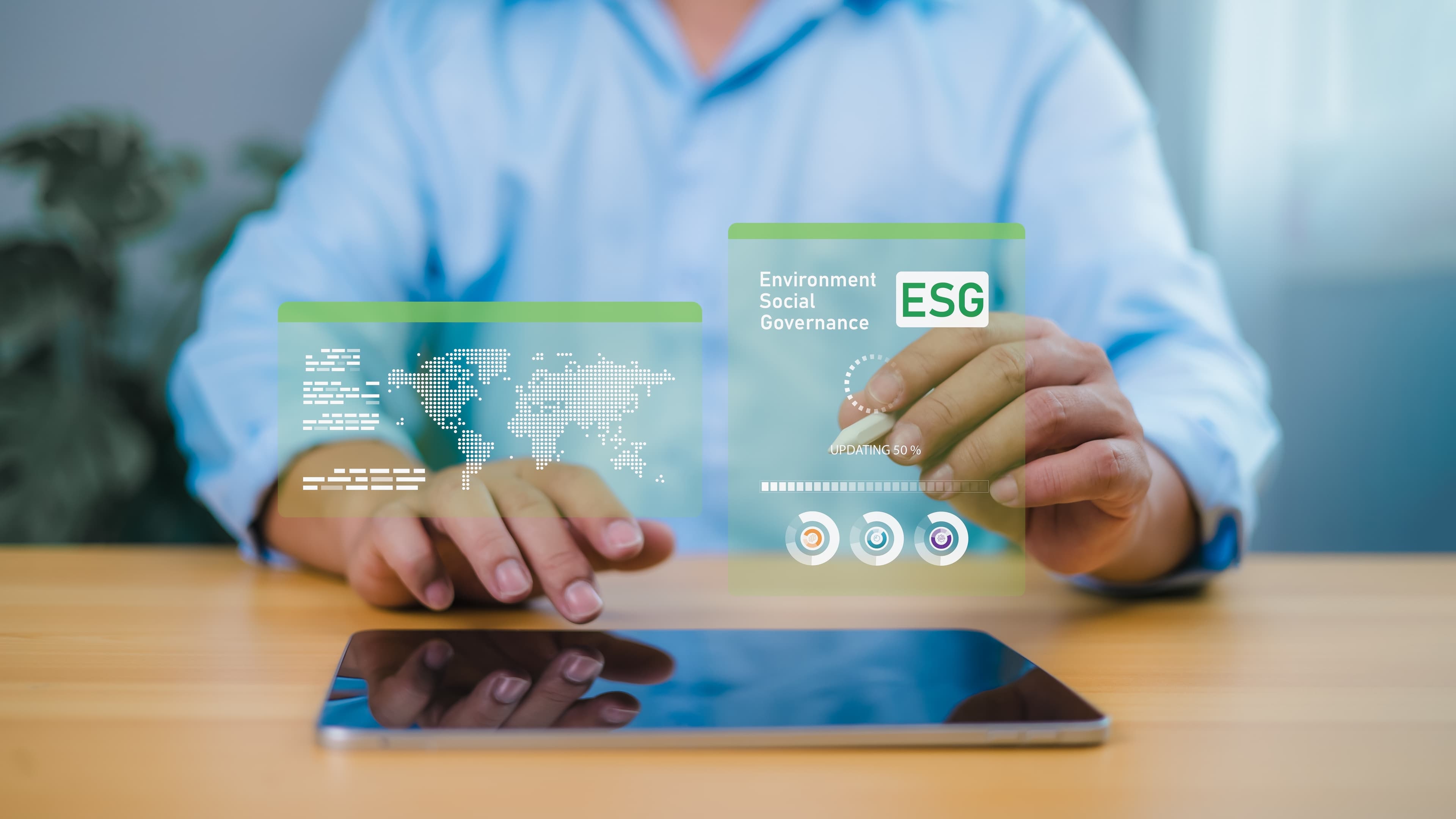
The conversation around ESG (Environmental, Social, and Governance) reporting in the MENA region is accelerating — and digital transformation is at the heart of it.
In the recent webinar, “From Strategy to System: How to Digitize ESG Reporting the Right Way,” Panos Mitsios, COO and Co-Founder of Tekmon, Elisa Pirisi, Senior Manager at the Global Reporting Initiative (GRI), and Dr. Mohamed Bradai, Business Development Manager at Environmental Horizons (EH), unpacked how organizations can strengthen data integrity, align with global frameworks, and navigate Saudi Arabia’s fast-evolving sustainability landscape.
The full webinar is available to watch here, but for a quick overview, we’ve highlighted the core insights below.
Here’s a deep dive into the top 10 takeaways and audience-driven insights that stood out.
10 Key Takeaways
1️⃣ Digitization is the foundation for credible ESG reporting.
Manual ESG data collection is no longer a sustainable approach. As Panos Mitsios, Tekmon’s COO and Co-Founder, highlighted, relying on spreadsheets leads to inconsistencies, duplication, and audit challenges. By transitioning to a digital system, companies can ensure accuracy, traceability, and real-time auditability — all essential components of reliable ESG data.
✅ Audience insight: When asked how to deal with Excel chaos from multiple branches, Panos explained how Tekmon’s ESG Data Management Platform centralizes data inputs and automatically flags anomalies, creating a single source of truth for all ESG metrics.
2️⃣ Saudi Arabia’s sustainability landscape is evolving fast.
The Kingdom is moving quickly toward sustainability-led growth. Although ESG reporting isn’t yet mandatory, the Tadawul ESG Disclosure Guidelines — aligned with GRI and SASB — are setting the foundation for a regulated reporting environment in the future.
3️⃣ Vision 2030 is the main driver of ESG adoption.
Saudi Arabia’s national strategy is pushing organizations toward better environmental performance, social inclusion, and corporate governance to attract global investors and build long-term resilience.
4️⃣ Global standards, such as CSRD and ESRS, are shaping regional expectations.
European sustainability regulations, such as the CSRD and ESRS, are raising the bar globally. Even MENA-based organizations working with EU partners will soon need to align with these frameworks, making early digital adoption a competitive advantage.
✅ Audience insight: When asked whether GRI or ESRS will dominate the region, Elisa Pirisi, Report Services Senior Manager, from the Global Reporting Initiative (GRI), clarified that GRI remains the most widely used in MENA due to its flexibility, but ESRS is gaining ground fast — especially for companies linked to EU supply chains.
5️⃣ Data centralization drives efficiency and transparency.
A unified digital system allows teams to collect, validate, and analyze ESG data in real time—eliminating silos between departments and improving internal collaboration.
✅ Audience insight: When asked how to handle missing data, Elisa advised transparency — disclosing the gap, explaining why it occurred, and documenting corrective actions. This honesty builds trust and strengthens long-term reporting practices.
6️⃣ Quality ESG reporting depends on structure and traceability.
A platform-based approach enables users to track data sources, apply methodologies consistently, and provide transparent proof of how numbers are generated. Tekmon’s system enables users to trace each data point back to its source, apply consistent methodologies, and maintain a clear audit trail — transforming ESG reporting from reactive to proactive.
See Tekmon’s ESG Software in Action
Ready to streamline your ESG data management and achieve smarter sustainability decisions? Book a demo with Tekmon today to explore how our ESG data management software can automate data collection, ensure compliance, and drive your sustainability goals forward.
7️⃣ ESG maturity starts with defining what matters.
Every successful ESG journey begins with identifying material topics — the issues that truly matter to your business and stakeholders. Elisa emphasized that defining materiality before investing in automation ensures that data collection aligns with purpose, not just process.
8️⃣ Capacity building is essential.
Tools alone aren’t enough. Both Elisa Pirisi from GRI and Dr. Mohamed Bradai, Business Development Department Manager, from Environmental Horizons (EH), stressed the importance of educating employees on ESG principles and frameworks. When staff understand the “why” behind data collection, digital systems deliver even greater value.
9️⃣ Automation supports assurance and audit readiness.
A digitized platform like Tekmon’s ESG Data Management System makes it easier to share data with auditors, verify calculations, and provide clear documentation trails.
🔟 Partnerships accelerate ESG transformation.
Collaborations, like the one between Tekmon and Environmental Horizons, illustrates the power of combining technology and expertise. Together, we help organizations go beyond compliance — building ESG strategies that are measurable, transparent, and impactful.
Ready to digitize your ESG reporting?
Experience how Tekmon’s no-code ESG Data Management System can streamline your data collection, improve traceability, and ensure audit-ready reporting — all in a single, centralized platform.
Looking Ahead: Connecting Global Standards with Local Realities
The webinar reinforced that credible ESG reporting in the MENA region relies on data integrity, digital systems, and alignment with both local and global frameworks.
Key insights from the Q&A session included:
ESRS and GRI are complementary. Understanding both prepares organizations for global expectations.
Data quality is essential. Digital tools like Tekmon ensure reliable, audit-ready ESG reporting.
Localization within global frameworks balances regional relevance with international credibility.
In short, success lies in connecting global standards with local context through transparent, digital ESG systems. With the right tools and structure, organizations can move from fragmented data to a digitally empowered, globally aligned ESG strategy that builds trust and drives impact!