Compliance dashboard software has become an essential tool for organizations that need to monitor regulatory requirements, reduce operational risks, and maintain complete visibility over their compliance activities. As regulations continue to evolve across industries, relying on spreadsheets, emails, and paper-based processes is no longer enough to ensure consistent compliance or demonstrate accountability during audits.
This is where a modern compliance dashboard makes a significant difference. Instead of managing disconnected systems and manually compiling reports, organizations can centralize compliance activities, monitor key performance indicators in real time, identify potential risks before they escalate, and make faster, data-driven decisions.
Whether you're responsible for health and safety, quality assurance, environmental compliance, or operational excellence, selecting the right compliance dashboard software can significantly improve visibility, accountability, and overall business performance.
In this guide, we'll explain what compliance dashboard software is, why organizations need it, the essential features you should look for, and how a modern platform like Tekmon helps businesses build a proactive culture of compliance.
What Is Compliance Dashboard Software?
Compliance dashboard software is a digital platform that collects compliance-related information from across an organization and presents it in intuitive dashboards, reports, and analytics.
Instead of manually gathering information from multiple departments, users can monitor compliance activities from a single interface, including:
Audits and inspections
Corrective and preventive actions (CAPA)
Risk assessments
Equipment certifications
Employee training
PPE compliance
Permits to Work
Contractor management
Incidents and near misses
Compliance KPIs
The primary objective is simple: provide decision-makers with real-time visibility into compliance performance so they can identify issues early and take immediate action.
Rather than reacting after problems occur, organizations gain the ability to proactively manage compliance and continuously improve performance.
Why Every Organization Needs a Compliance Dashboard Management System
Compliance today is no longer limited to passing inspections. It has become an ongoing operational process that requires continuous monitoring, documentation, collaboration, and improvement.
A modern compliance dashboard management system helps organizations by replacing fragmented workflows with centralized digital processes.
Some of the key business benefits include:
Improved regulatory compliance
Faster decision making
Reduced operational risk
Better visibility across sites
Increased accountability
Simplified audit preparation
Automated reminders and notifications
Better executive reporting
Higher employee engagement
Perhaps most importantly, managers gain confidence that critical compliance activities are actually being completed rather than simply assumed.
Improve Workplace Safety with Smart EHS Solutions
Streamline audits, inspections, risk assessments, training, permits, and compliance in one mobile-first platform. Discover how Tekmon’s Health & Safety Management Software helps businesses reduce risk and build a proactive safety culture.
Essential Features to Look For in Compliance Dashboard Software
Not all compliance platforms offer the same capabilities. The best solutions go beyond reporting by helping organizations actively manage compliance throughout the entire lifecycle.
Below are the most important features to evaluate.
1. Centralized Compliance Dashboards
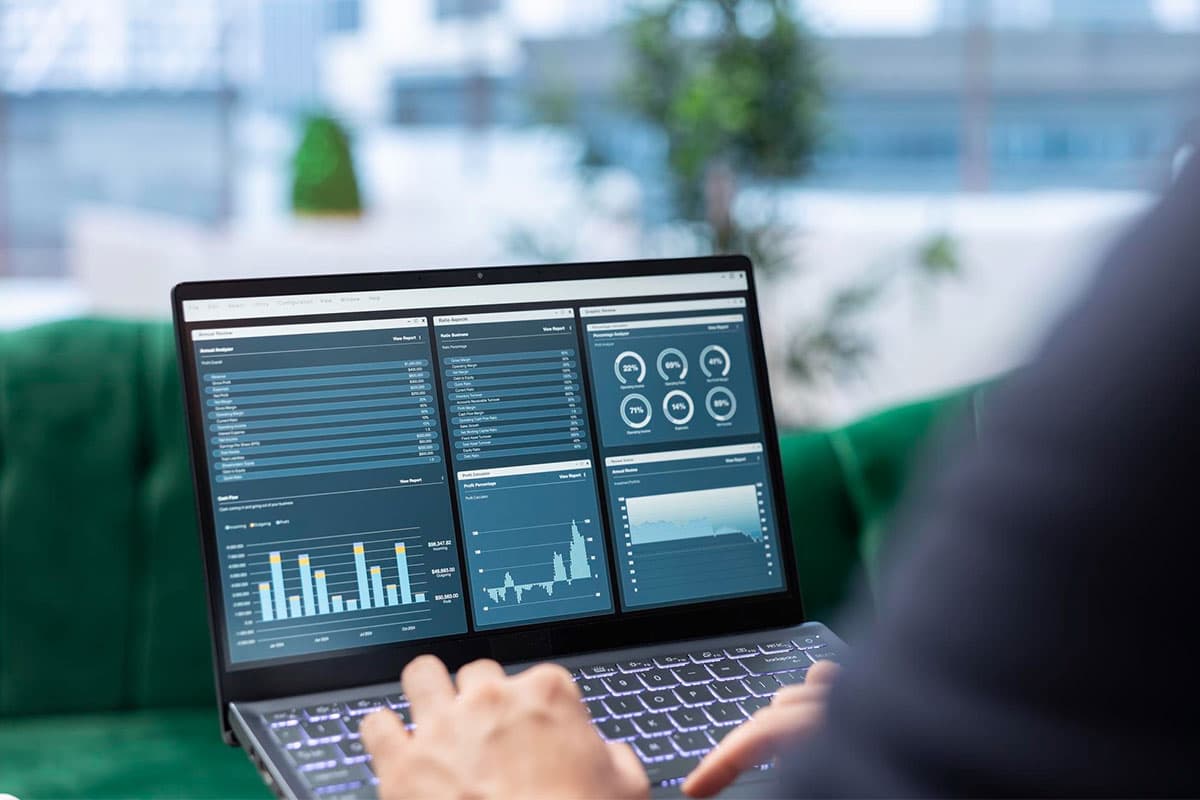
One of the biggest challenges organizations face is fragmented compliance information. Audit records, training documentation, risk assessments, equipment certifications, and corrective actions are often stored in different systems, making it difficult to understand the organization's overall compliance status. A modern compliance dashboard brings all this information together in one centralized view, allowing managers to monitor key performance indicators, identify overdue actions, and track compliance performance across departments, locations, and projects. Having a single source of truth improves decision-making while reducing the time spent searching for critical information.
2. Real-Time Reporting and Business Intelligence
Compliance decisions should be based on current data rather than outdated reports. Effective compliance dashboard software provides real-time visibility into operational performance through interactive dashboards, customizable reports, and business intelligence analytics. Instead of waiting for monthly summaries, managers can instantly identify emerging trends, monitor compliance KPIs, and respond to potential issues before they become serious regulatory or operational problems. This shift from reactive reporting to proactive monitoring enables organizations to continuously improve compliance performance.
3. Digital Audits and Inspections
Audits and inspections are essential for maintaining compliance, but traditional paper-based processes are often slow, inconsistent, and difficult to track. Modern compliance software allows employees to complete inspections directly from mobile devices, capture photographs, record observations, and submit findings immediately—even while working offline. Inspection results become instantly available across the organization, making it easier to identify recurring issues, monitor performance, and ensure that findings are addressed without unnecessary delays.
4. Corrective and Preventive Action (CAPA) Management
Identifying compliance issues is only valuable if they are resolved efficiently. An effective compliance platform should include integrated Corrective and Preventive Action (CAPA) management that enables organizations to assign responsibilities, monitor deadlines, automate notifications, and track progress from identification to completion. By centralizing corrective actions within the same platform, organizations improve accountability while reducing the likelihood of recurring non-conformities.
5. Risk Management Tools
Effective compliance always begins with effective risk management. A modern compliance dashboard management system should help organizations identify hazards, perform structured risk assessments, calculate risk levels automatically, and prioritize mitigation activities based on their potential impact. Dynamic risk reporting provides decision-makers with continuous visibility into changing risk conditions, enabling faster responses and supporting a more proactive approach to workplace safety and regulatory compliance.
Enhance your safety culture today
Enhance Your Safety Culture Today! Implementing positive performance indicators is the key to reducing risks and fostering a safer workplace. Learn how digital tools like Tekmon can make this easier.
6. Equipment Certification Management
Keeping equipment certifications up to date is essential for maintaining compliance and ensuring safe operations. Rather than relying on spreadsheets or manual reminders, organizations benefit from software that centralizes certification records, stores supporting documentation, tracks warranty and calibration information, and automatically notifies users before certificates expire. This reduces administrative effort while minimizing the risk of missed renewals that could lead to operational disruptions or regulatory violations.
7. Training and PPE Compliance
Employee competence is one of the most important elements of any compliance program. Organizations need complete visibility into employee training records, certification status, refresher requirements, and personal protective equipment (PPE) assignments. A centralized compliance dashboard allows managers to monitor training completion, verify qualifications, and ensure that employees always have the appropriate PPE for their assigned tasks. This not only supports regulatory compliance but also strengthens the overall safety culture across the organization.
8. Digital Permit-to-Work Management
High-risk activities require strict authorization procedures to ensure work is carried out safely and according to company policies. Digitizing Permit-to-Work (PTW) processes allows organizations to standardize approvals, monitor permit status in real time, and maintain a complete audit trail for every activity. Whether managing hot work, confined space entry, electrical work, or work at height, digital permit management improves visibility, reduces paperwork, and helps ensure that safety procedures are consistently followed.
9. Contractor Compliance Management
Contractors often represent a significant compliance risk, particularly in industries such as construction, manufacturing, and energy. A comprehensive compliance dashboard should provide centralized visibility into contractor approvals, certifications, licenses, training records, and documentation. Automated notifications for expiring certifications and streamlined approval workflows help organizations maintain compliance while ensuring that only qualified contractors are permitted to perform work on site.
10. No-Code Customization
Every organization operates differently, and compliance software should be flexible enough to support unique business processes without requiring software development. No-code customization allows users to create digital forms, configure workflows, design approval processes, and generate customized reports through intuitive drag-and-drop tools. This flexibility enables organizations to adapt quickly to changing regulations while reducing implementation costs and dependence on technical resources.
11. Mobile-First Accessibility
Compliance activities rarely take place behind a desk. Auditors, supervisors, technicians, and field workers need immediate access to forms, inspections, risk assessments, and corrective actions wherever they are working. Mobile-first compliance dashboard software enables users to capture information on-site, upload photographs, collect digital signatures, and synchronize data instantly with the central platform. By allowing compliance activities to be completed in real time, organizations improve data accuracy, increase productivity, and ensure that critical information is always available to decision-makers.
Ready to move beyond paper checklists and reactive incident response?
Tekmon helps organizations digitize health and safety processes — from risk assessments to permits and audits — so safety teams can act before incidents happen, not after.
Compliance Dashboard Examples Across Different Industries
Although every organization has unique compliance requirements, the purpose of a compliance dashboard remains the same: providing decision-makers with a clear, real-time view of compliance performance across the business. The exact metrics displayed may vary depending on the industry, but the goal is always to improve visibility, reduce risk, and ensure that critical compliance activities are completed on time.
Manufacturing Compliance Dashboard Examples
Manufacturing companies typically manage large numbers of assets, production lines, and employees, making compliance a continuous process rather than a periodic task. Common compliance dashboard examples in manufacturing include dashboards that monitor equipment inspections, machine certifications, preventive maintenance schedules, workplace safety observations, corrective actions, incident trends, and employee training completion. Having all this information available in one place allows production managers to identify potential issues before they disrupt operations or lead to regulatory non-compliance.
Construction Compliance Dashboard Examples
Construction projects involve multiple contractors, changing work environments, and high-risk activities. As a result, compliance dashboards often focus on daily site inspections, Permit-to-Work approvals, contractor certifications, PPE compliance, risk assessments, safety observations, and corrective actions. Real-time visibility helps project managers ensure that work is carried out safely while maintaining compliance with industry regulations and internal safety procedures.
Energy and Utilities Compliance Dashboard Examples
Organizations operating in the energy and utilities sector face strict regulatory requirements and significant operational risks. Their compliance dashboards frequently provide visibility into equipment inspections, environmental monitoring, high-risk work permits, contractor compliance, workforce certifications, and asset maintenance activities. These dashboards help organizations prioritize safety while reducing operational downtime and supporting regulatory reporting.
Healthcare Compliance Dashboard Examples
Healthcare providers must maintain high standards of patient safety while complying with numerous regulatory frameworks. A typical healthcare compliance dashboard may monitor staff training records, medical equipment certifications, infection control inspections, incident reporting, risk assessments, and audit performance. By centralizing this information, healthcare organizations can identify compliance gaps more quickly and demonstrate readiness during inspections or accreditation reviews.
Why Industry-Specific Compliance Dashboards Matter
While the metrics displayed may differ from one industry to another, the underlying principles remain the same. Effective compliance dashboard software provides organizations with a centralized view of their compliance activities, enabling managers to monitor performance in real time, identify trends, prioritize corrective actions, and make informed decisions based on accurate, up-to-date information. Rather than relying on disconnected spreadsheets or manual reporting, businesses can build a proactive compliance culture supported by data-driven insights and continuous improvement.
Common Mistakes When Choosing Compliance Dashboard Software
Many organizations select software based solely on price or basic reporting capabilities.
However, long-term success depends on choosing a platform that supports continuous improvement.
Common mistakes include:
Choosing software without mobile functionality
Using systems that require extensive manual data entry
Overlooking automation capabilities
Ignoring integration options
Selecting platforms that cannot scale
Failing to consider user experience
Using disconnected tools instead of an integrated platform
The right solution should simplify compliance—not create additional administrative work.
How Tekmon Helps Organizations Build Smarter Compliance Dashboards
Tekmon provides a comprehensive, mobile-first Health & Safety Management platform that helps organizations transform compliance into a proactive, data-driven process.
Instead of managing audits, inspections, corrective actions, equipment certifications, training, permits, and contractor information across multiple systems, Tekmon brings everything together within a single, centralized platform.
Organizations can benefit from:
An all-in-one Health & Safety Management platform
Centralized compliance dashboards with real-time visibility
Built-in health and safety KPIs
Digital audits and inspections
Corrective and Preventive Action (CAPA) management
Advanced risk management tools
Equipment certification tracking with automated reminders
Training and PPE management
Digital Permit-to-Work workflows
Contractor management
Ready-to-use health and safety templates
No-code customization
Mobile and web access
Business Intelligence analytics
Fast implementation with expert onboarding and support
With mobile-first functionality, intuitive workflows, and powerful reporting capabilities, Tekmon helps organizations reduce administrative effort while improving compliance performance across every level of the business.
Ready to Modernize Your Compliance Management?
Explore how Tekmon's all-in-one Health & Safety Management Software helps organizations streamline compliance, manage risks, automate corrective actions, and gain real-time visibility through powerful compliance dashboards.
Conclusion
Compliance is no longer just about meeting regulatory obligations—it is about protecting people, reducing operational risk, improving efficiency, and making better decisions through accurate, real-time information.
The best compliance dashboard software provides much more than reporting. It creates a centralized environment where audits, inspections, corrective actions, training, certifications, permits, and risk management work together seamlessly.
By investing in a modern compliance dashboard management system, organizations can strengthen accountability, improve operational visibility, and build a proactive culture of continuous compliance.
If you're looking for a flexible, mobile-first solution that combines powerful compliance dashboards, real-time analytics, and comprehensive Health & Safety management tools, Tekmon offers everything needed to help your organization stay compliant today while preparing for tomorrow's challenges.