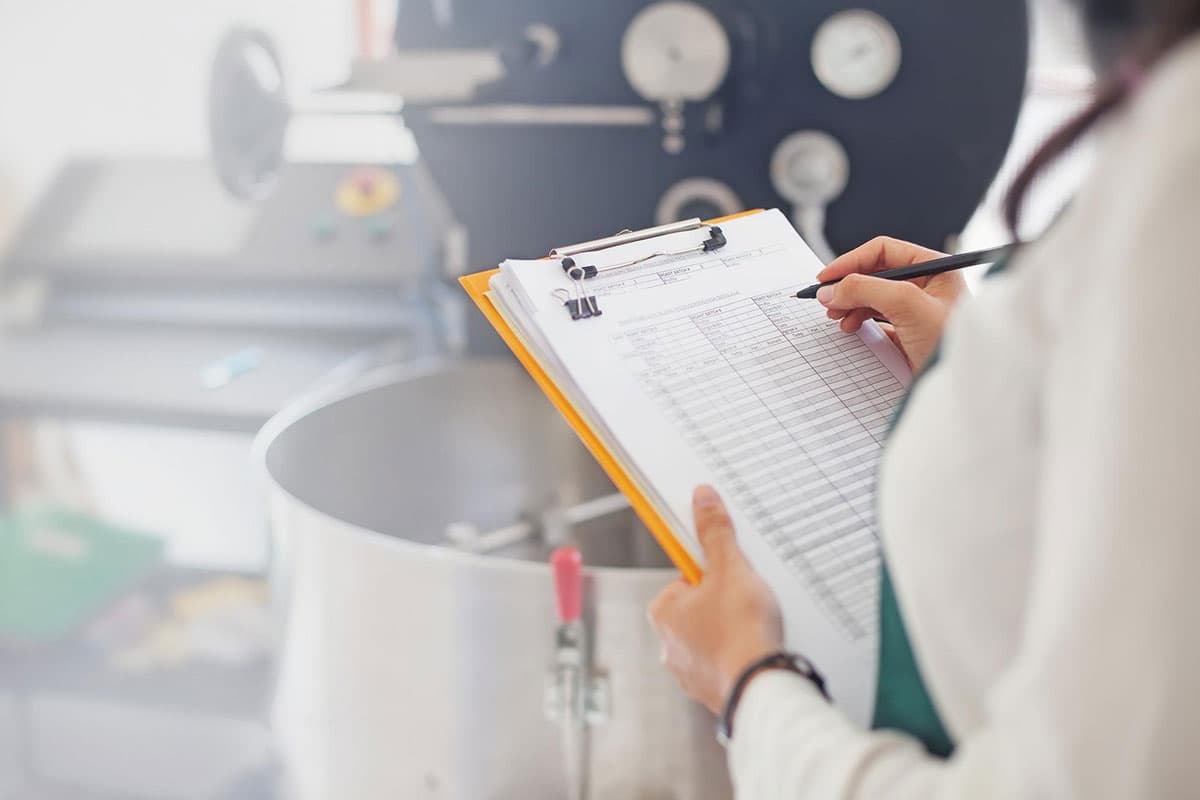
Food safety is a critical responsibility for every organization involved in producing, preparing, storing, transporting, or serving food. A single failure in hygiene, temperature control, storage, or traceability can expose consumers to serious risks and lead to product recalls, regulatory penalties, financial losses, and lasting reputational damage.
A well-structured food safety checklist helps organizations prevent these failures by turning food safety requirements into clear, repeatable inspection points. It gives employees and auditors a practical way to verify that facilities, equipment, processes, and records meet established standards.
However, an effective checklist should be more than a list of boxes to tick. It should support risk-based inspections, help teams document evidence, identify nonconformities, and ensure that corrective actions are completed.
This guide explains how to create and use a checklist for food safety, which areas it should cover, and how digital tools can make food safety audits and inspections more reliable.
Learn how Agthia - a leading food and beverage group unified ESG data, HSE, and Quality Audits into a single, mobile-first, no-code platform
Agthia Group PJSC is one of the GCC region’s dominant food and beverage companies, managing a world-class portfolio of agricultural, water, dairy, and food products.
What Is a Food Safety Checklist?
A food safety checklist is a structured document used to evaluate whether food handling operations comply with internal procedures, regulatory requirements, and recognized food safety standards.
It guides employees, quality managers, and auditors through the most important control points within a facility. Depending on the operation, a checklist may cover:
Personal hygiene
Cleaning and sanitation
Food storage
Temperature control
Cross-contamination prevention
Allergen management
Pest control
Equipment condition
Waste management
Documentation and traceability
Employee training
Corrective actions
Food safety inspection checklists can be used in restaurants, food manufacturing plants, warehouses, supermarkets, catering businesses, commercial kitchens, and transportation facilities.
Although the exact requirements vary according to the type of operation and applicable regulations, the objective remains the same: to identify conditions or practices that could compromise food safety.
Why Food Safety Checklists Are Important
Food businesses manage many activities simultaneously. Ingredients arrive from different suppliers, employees handle multiple products, equipment operates continuously, and storage conditions can change throughout the day.
Without a standardized checklist, important control points may be missed or inspected inconsistently.
A food safety checklist helps organizations:
Standardize inspections across teams and locations
Detect hazards before they affect consumers
Verify compliance with internal procedures
Maintain evidence for audits and regulatory inspections
Assign responsibility for corrective actions
Identify recurring food safety issues
Improve employee awareness and accountability
Support HACCP and food safety management programs
Protect product quality and brand reputation
Checklists are especially valuable for multi-site organizations. When every facility uses the same inspection criteria, quality managers can compare performance and identify common risks across the business.
Transform Quality Control in Food Manufacturing
Automate audits, CAPA, supplier management, complaints, and document control with Tekmon’s Integrated Quality Management System. Improve compliance, product quality, and operational efficiency in one platform.
Food Safety Checklist vs Food Safety Audit Checklist
Although the terms are sometimes used interchangeably, a routine food safety checklist and a food safety audit checklist may serve different purposes.
A routine checklist is generally used during daily, weekly, or shift-based inspections. It focuses on immediate operational conditions, such as employee hygiene, refrigerator temperatures, cleaning tasks, and storage practices.
A food safety audit checklist is usually broader and more formal. It may evaluate whether the complete food safety management system complies with:
HACCP principles
ISO 22000 requirements
Good Manufacturing Practices
Internal company policies
Customer requirements
Applicable food regulations
Supplier quality requirements
Routine inspections identify visible operational problems, while audits examine whether the organization has effective systems for consistently controlling food safety risks.
Both are necessary. Daily inspections provide immediate control, while audits help management evaluate the overall effectiveness of the food safety system.
Complete Checklist for Food Safety Inspections
The following checklist can be adapted to different food production, preparation, storage, and service environments.
1. Employee Health and Personal Hygiene
Employees can unintentionally introduce biological, chemical, or physical hazards into food handling areas. Clear hygiene requirements and proper training are therefore essential.
Check whether:
Employees arrive in clean and appropriate work clothing
Hair restraints, beard covers, gloves, and other protective items are used where required
Hands are washed before handling food and after possible contamination
Handwashing stations are accessible, clean, and properly supplied
Employees avoid touching their faces, hair, phones, or personal items while handling food
Cuts and wounds are properly covered
Jewelry and other loose personal items are controlled
Employees understand illness reporting requirements
Sick employees are restricted from food handling duties when necessary
Eating, drinking, and smoking are limited to designated areas
Inspectors should observe actual employee behavior rather than relying only on written procedures.
2. Handwashing Facilities
Handwashing is one of the most important controls against food contamination.
Verify that:
Handwashing sinks are available in appropriate locations
Sinks are not blocked or used for storing equipment
Hot and cold running water is available
Soap and hygienic hand-drying materials are provided
Handwashing instructions are clearly displayed
Waste bins are available and regularly emptied
Employees follow the required handwashing procedure
Any missing supplies or inaccessible facilities should be addressed immediately.
Learn More About Tekmon QMS
Dive into the features of Tekmon’s Quality Management System and how it streamlines food safety and quality control. Visit our QMS landing page for detailed insights and success stories.
3. Food Receiving and Supplier Controls
Food safety begins before ingredients enter the facility. Receiving procedures should prevent unsafe, damaged, expired, or incorrectly transported products from being accepted.
The inspection should confirm that:
Suppliers are approved and regularly evaluated
Deliveries come from recognized and authorized sources
Product temperatures are checked when required
Packaging is clean, intact, and free from signs of damage
Products show no evidence of contamination or pest activity
Expiration and use-by dates are verified
Allergen information and labels are accurate
Batch, lot, and delivery information is recorded
Rejected goods are documented and separated
Delivery vehicles meet cleanliness and temperature requirements
Records should make it possible to trace received ingredients back to the appropriate supplier and batch.
4. Food Storage
Improper storage can lead to contamination, spoilage, and loss of traceability.
A checklist for food safety storage should verify that:
Food is stored at the required temperature
Raw and ready-to-eat products are properly separated
Products are kept off the floor
Storage areas are clean, dry, and organized
Food containers are covered and suitable for their intended use
Labels include product names, dates, and other required information
Expired or damaged products are removed
Stock rotation procedures such as FIFO or FEFO are followed
Chemicals and cleaning materials are stored away from food
Allergen-containing ingredients are clearly identified and separated
Refrigerators and freezers are not overloaded
Storage temperatures are regularly recorded
Items without proper labels or with uncertain preparation dates should be treated as nonconforming.
5. Temperature Control
Failure to control time and temperature is a common cause of food safety problems.
Inspectors should check whether:
Refrigerators and freezers operate within established temperature limits
Food temperatures are monitored at defined intervals
Cooking temperatures are verified and recorded where required
Cooling processes follow approved time and temperature controls
Reheated food reaches the organization’s established safe temperature
Frozen products are thawed using approved methods
Hot and cold holding temperatures are regularly monitored
Thermometers are available, clean, functional, and calibrated
Temperature deviations are documented
Corrective actions are taken when limits are exceeded
The checklist should reference the limits defined by the organization’s HACCP plan, local regulations, and product-specific requirements.
6. Cross-Contamination Prevention
Cross-contamination can occur when harmful microorganisms, allergens, chemicals, or foreign materials move from one product or surface to another.
Verify that:
Raw foods are separated from cooked and ready-to-eat foods
Separate utensils and equipment are used where required
Cutting boards and tools are clearly identified
Food contact surfaces are cleaned and sanitized between activities
Employees change gloves and wash their hands when moving between tasks
Cleaning tools are separated by area or purpose
Products are protected during preparation and storage
Traffic flows minimize movement between contaminated and clean areas
Glass, brittle plastic, and foreign material risks are controlled
Damaged equipment is removed from use
Inspectors should pay particular attention to transitions between different products, production lines, and preparation stages.
TOP 15 FEATURES TO LOOK FOR IN QUALITY MANAGEMENT SOFTWARE
Learn more about the 15 essential features of a High-Quality QMS software in our detailed guide.
7. Allergen Management
Undeclared or uncontrolled allergens can have severe consequences for consumers.
A food safety inspection checklist should confirm that:
All allergenic ingredients are identified
Allergen information is accurate and accessible
Ingredients are stored in clearly marked containers
Allergen-containing products are separated where necessary
Dedicated tools or production areas are used when required
Changeover and cleaning procedures prevent allergen cross-contact
Employees receive appropriate allergen training
Recipes and labels are reviewed when ingredients change
Rework containing allergens is properly controlled
Allergen-related customer requests are handled according to an approved procedure
Allergen controls should be regularly verified, particularly when new ingredients, products, or suppliers are introduced.
8. Cleaning and Sanitation
Cleaning removes food residues and visible dirt, while sanitation reduces microorganisms to acceptable levels. Both activities must be completed correctly.
Check whether:
A documented cleaning and sanitation schedule is available
Responsibilities and cleaning frequencies are clearly assigned
Approved cleaning chemicals are correctly labeled
Chemicals are prepared and used at the required concentration
Food contact surfaces are cleaned and sanitized
Cleaning activities are documented
Cleaning tools are clean, maintained, and appropriately stored
Difficult-to-reach areas are included in cleaning routines
Employees are trained to use chemicals safely
Cleaning effectiveness is regularly verified
No chemical residues or strong odors remain near food
Corrective actions are documented when cleaning standards are not met
Visual inspection alone may not always be sufficient. Depending on the process and risk level, organizations may use environmental monitoring, microbiological testing, or other verification methods.
9. Equipment and Facility Condition
Poorly maintained facilities and equipment can create contamination risks and make effective cleaning difficult.
Inspectors should verify that:
Food contact equipment is clean and in good condition
Surfaces are smooth, intact, and easy to clean
Equipment is installed in a way that allows proper cleaning
Maintenance activities are planned and documented
Temporary repairs do not create contamination risks
Lighting is sufficient and protected where required
Walls, floors, ceilings, and drains are well maintained
Doors and windows prevent pest entry
Ventilation systems are clean and functioning
Water used in food operations is suitable for its intended purpose
Lubricants and maintenance chemicals are properly controlled
Equipment calibration records are current
Any damaged surface or piece of equipment that could contaminate food should be repaired or removed from operation.
10. Pest Control
Pest activity can contaminate ingredients, products, packaging, and production environments.
The inspection should confirm that:
There are no signs of insects, rodents, birds, or other pests
Doors, windows, vents, and openings are properly sealed
Pest control devices are correctly positioned and maintained
Pest control inspections are performed at planned intervals
Findings and corrective actions are documented
Food and waste are stored in ways that do not attract pests
External areas are clean and well maintained
Employees know how to report evidence of pest activity
Pest control chemicals are safely managed
Pest control records are available for review
Even minor evidence of pest activity should be investigated promptly.
Transform Your Supplier Quality Today
Take control of supplier performance, reduce risks, and streamline audits with Tekmon’s integrated supplier quality management platform. Experience how automation enhances reliability and compliance across your entire supply chain.
11. Waste Management
Waste should be removed and controlled in a way that does not compromise food handling areas.
Check whether:
Waste containers are clearly identified
Containers are covered where necessary
Bins are regularly emptied, cleaned, and sanitized
Waste does not accumulate near food preparation areas
External waste areas are clean and secure
Waste movement does not create cross-contamination
Food waste and hazardous materials are properly separated
Employees follow documented waste procedures
Waste routes and collection schedules should be designed to minimize contact with clean production areas.
12. Documentation, Traceability, and Recall Readiness
Records demonstrate that food safety controls were implemented consistently.
A food safety audit checklist should verify that:
Monitoring records are complete, accurate, and legible
Required checks are performed at the correct frequency
Records identify who completed each inspection
Corrections to records remain traceable
Supplier and receiving records are available
Batch and lot information is maintained
Products can be traced through production and distribution
Recall and withdrawal procedures are documented
Mock recalls or traceability exercises are conducted
Previous nonconformities have been addressed
Corrective action records include root cause and effectiveness verification
Documents are reviewed and updated when processes change
Missing or unreliable records can indicate that controls are not being performed, even when the facility appears compliant during an inspection.
Elevate Your Quality Assurance & Quality Control with Tekmon
Ready to take your food safety quality control to the next level?
Tekmon is your partner in overcoming labor shortages, contamination risks, and consumer demands. Don’t let outdated systems hold you back. Explore Tekmon’s features and request a demo account to experience the difference firsthand.
Best Practices for Using Food Safety Inspection Checklists
Simply creating a checklist does not guarantee safer operations. Organizations should also define how the checklist is used, reviewed, and improved.
Customize the checklist to the operation
A generic template provides a useful starting point, but it should be adapted to the organization’s products, processes, facilities, regulations, and risks.
Base inspections on food safety risks
High-risk processes and critical control points should receive more attention than low-risk administrative areas.
Define clear inspection frequencies
Some items may require checks during every shift, while others may be reviewed weekly, monthly, or during formal audits.
Require objective evidence
Inspectors should be able to attach photographs, measurements, notes, records, or other evidence to support their findings.
Assign responsibility immediately
Every nonconformity should have an owner, priority, deadline, and required action. A finding without ownership tends to become permanent office furniture.
Verify corrective action effectiveness
Completing an action does not necessarily mean the risk has been controlled. Quality managers should confirm that the solution addresses the root cause and prevents recurrence.
Review trends across inspections
Recurring temperature deviations, cleaning failures, labeling errors, or pest observations may indicate a systemic issue requiring broader action.
Digitizing Food Safety Audits and Inspections
Paper forms and spreadsheets can make it difficult to manage food safety inspection checklists across teams and facilities. Records may be incomplete, evidence can become scattered, and corrective actions are often tracked through separate emails.
A centralized quality management software solution can help food businesses digitize inspections, standardize audit procedures, and manage findings from a single platform.
With digital food safety checklists, organizations can:
Build customized inspection templates
Conduct inspections from mobile devices
Capture photographs and supporting evidence
Record results at the point of inspection
Trigger corrective actions automatically
Assign responsible employees and deadlines
Send reminders for overdue actions
Monitor compliance across multiple facilities
Analyze recurring findings and operational trends
Maintain a traceable history for external audits
Generate real-time reports and dashboards
Digital systems also allow managers to update a checklist once and distribute the latest version across the organization, reducing the risk of employees using outdated forms.
Transform Quality with an Integrated QMS
Streamline audits, CAPA, supplier assessments, complaints, and compliance workflows with Tekmon’s all-in-one quality management platform designed for modern businesses.
Frequently Asked Questions
What should be included in a food safety checklist?
A food safety checklist should cover personal hygiene, food receiving and storage, temperature control, cross-contamination, allergen management, cleaning, sanitation, equipment, pest control, waste management, documentation, and corrective actions.
How often should food safety inspections be conducted?
Inspection frequency depends on the process, risk level, regulatory requirements, and previous performance. Critical controls may require checks during every shift, while broader facility audits may be performed weekly, monthly, or according to an annual audit program.
Who should complete a checklist for food safety?
Checklists may be completed by trained employees, supervisors, quality managers, internal auditors, or external inspectors. The person conducting the inspection should understand the relevant processes, risks, and acceptance criteria.
What is the difference between a food safety inspection and an audit?
An inspection usually focuses on current conditions and operational practices. An audit evaluates whether the broader food safety management system is properly designed, implemented, documented, and maintained.
Can one checklist be used across multiple facilities?
A standardized checklist can be used as a common foundation, but it should be adapted to each facility’s products, equipment, processes, legal requirements, and specific food safety risks.
Conclusion
A comprehensive food safety checklist transforms complex food safety requirements into clear, repeatable, and measurable controls. It helps employees recognize hazards, enables managers to verify compliance, and gives organizations the evidence they need to demonstrate that food safety risks are being managed.
The most effective food safety inspection checklists combine routine operational checks with broader audits, clear responsibilities, reliable evidence, corrective action tracking, and continuous improvement.
By standardizing and digitizing this process, food businesses can respond to problems faster, improve visibility across facilities, and build a stronger food safety and quality culture.