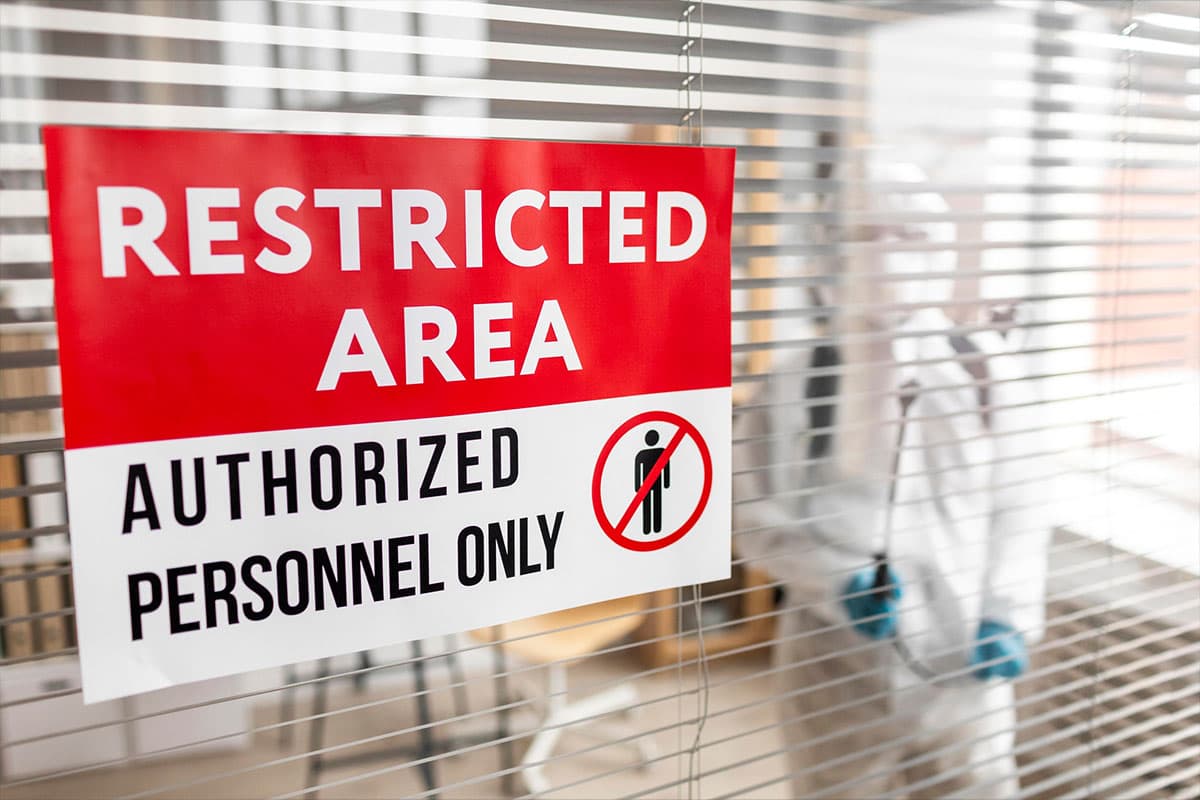
Permit to work software has become a critical component of modern health and safety management. In industries such as construction, manufacturing, energy, utilities, mining, and facilities management, permit-to-work processes are often the last line of defense before high-risk activities begin. Whether employees are performing hot work, entering confined spaces, working at height, or carrying out electrical maintenance, permits help ensure hazards have been identified, risks have been assessed, and appropriate controls are in place.
Despite their importance, many organizations still rely on paper-based permit processes that create delays, reduce visibility, and increase the risk of human error. When permits are managed through paper forms, emails, spreadsheets, or disconnected systems, critical information can easily be missed, approvals can be delayed, and compliance becomes harder to demonstrate.
This is why more organizations are adopting permit to work software, digital permit to work systems, and modern permit works software solutions to streamline approvals, improve visibility, and strengthen safety performance.
In this article, we'll examine the most common failures within permit-to-work processes, the risks they create, and how modern permit to work software helps organizations prevent them.
What Is a Permit to Work System?
A permit to work system is a formal process used to control high-risk work activities by ensuring that hazards have been identified, risks have been assessed, and appropriate safety controls are implemented before work begins. The permit acts as an authorization document that confirms specific work can proceed under defined conditions and within an approved timeframe. It also establishes accountability by clearly identifying who requested the permit, who approved it, what controls are required, and when the permit expires. Permit-to-work processes are commonly used for activities such as:
Hot work
Working at height
Confined space entry
Electrical work
Excavation work
Lock Out Tag Out Try Out (LOTOTO)
Cold work activities
Maintenance operations
An effective permits to work system helps organizations reduce risk while ensuring compliance with internal procedures and regulatory requirements.
Replace Paper Permits with a Smarter Permit-to-Work Process
Eliminate paperwork, speed up approvals, and gain complete visibility over high-risk work activities. Tekmon's Digital Work Permit Software helps you manage permit requests, approvals, risk assessments, contractors, and compliance from a single mobile-first platform.
Why Permit to Work Failures Continue to Cause Serious Incidents
Many workplace incidents occur not because organizations lack safety procedures, but because those procedures are not followed consistently. Permit systems are often designed to prevent dangerous work from proceeding without proper authorization. However, when permits become administrative exercises rather than active safety controls, critical failures can occur. In many organizations, permit management involves multiple departments, contractors, supervisors, safety teams, and operational personnel. When communication breaks down or visibility is limited, the likelihood of errors increases significantly. Permit failures can result in:
Unauthorized work activities
Incomplete risk assessments
Missing hazard controls
Simultaneous conflicting work activities
Expired permits remaining active
Contractor compliance issues
Regulatory violations
Serious injuries or fatalities
The challenge becomes even greater on large sites where hundreds of permits may be active simultaneously.
Common Permit to Work System Failures
Understanding where permit processes fail is the first step toward improving them.
Incomplete Hazard Identification
One of the most common permit failures occurs during hazard identification. If risks are not properly assessed before work begins, workers may be exposed to hazards that were never considered during the permit approval process. This often happens when permit forms are rushed, risk assessments are treated as routine paperwork, or workers rely on outdated templates without considering site-specific conditions. Without a structured process for identifying hazards and documenting control measures, organizations may unknowingly authorize unsafe work activities.
Poor Communication Between Teams
Permit-to-work processes often involve multiple stakeholders. Operations personnel, supervisors, contractors, safety teams, and permit issuers may all play a role in approving work. When communication occurs through phone calls, emails, paper forms, or verbal instructions, misunderstandings can easily arise. Workers may begin activities before receiving final approval, or supervisors may not be aware of other high-risk work occurring nearby. Poor communication is particularly dangerous when multiple permits overlap in the same area.
Lack of Real-Time Visibility
Paper-based permits make it difficult to understand what work is currently taking place across a site. Safety managers may struggle to answer critical questions such as:
Which permits are currently active?
Which permits are awaiting approval?
Which permits have expired?
What contractors are performing high-risk work?
Are there overlapping activities creating additional risks?
Without real-time visibility, safety teams are forced to react after issues occur rather than proactively preventing them.
Permit Approval Delays
Manual permit approval processes often create bottlenecks. Permit requests may require multiple signatures, physical paperwork transfers, or email approvals. When key personnel are unavailable, projects can experience unnecessary delays. As frustration grows, workers may be tempted to begin work before approvals are fully completed, undermining the entire permit process.
Inadequate Contractor Control
Contractors frequently perform high-risk activities requiring permits. However, many organizations struggle to maintain visibility into contractor permits and compliance status.
Without centralized contractor management and permit oversight, organizations may approve work without verifying qualifications, certifications, or training requirements.
This creates significant operational and safety risks.
Poor Audit Readiness
During inspections or compliance audits, organizations must demonstrate that permit processes are being followed correctly.
Paper-based systems often make retrieving historical permit records difficult and time-consuming. Missing documentation, incomplete approvals, and inconsistent recordkeeping can create compliance concerns and increase regulatory exposure.
Improve Workplace Safety with Smart EHS Solutions
Streamline audits, inspections, risk assessments, training, permits, and compliance in one mobile-first platform. Discover how Tekmon’s Health & Safety Management Software helps businesses reduce risk and build a proactive safety culture.
Why Digital Permit to Work Systems Are Replacing Paper Processes
Organizations are increasingly adopting digital permit to work systems because traditional paper processes simply cannot keep pace with modern operational requirements.
A digital permit to work system provides a centralized platform where permits can be requested, reviewed, approved, monitored, and archived electronically.
Instead of relying on manual workflows, organizations can automate approvals, standardize permit requirements, improve communication, and gain real-time visibility across all permit activities. Digital permit systems allow organizations to manage permits consistently across multiple sites, contractors, and operational teams while reducing administrative burdens and improving compliance. Most importantly, they transform permits from static documents into active safety management tools.
How Permit to Work Software Helps Prevent Common Failures
Modern permit to work software addresses many of the weaknesses associated with traditional permit management. By digitizing workflows and centralizing information, organizations can strengthen both safety performance and operational efficiency. Permit requests can be submitted directly from mobile devices by employees or contractors, eliminating paperwork and reducing delays. Approval workflows can be customized based on job type, location, risk level, or organizational requirements. Built-in risk assessments help ensure hazards are identified consistently before work begins. Safety controls can be documented and verified as part of the approval process, reducing the likelihood of incomplete permits. Real-time dashboards provide complete visibility into permit status across all sites and activities. Safety teams can instantly see active permits, pending approvals, expired permits, and high-risk work activities. Digital records also create comprehensive audit trails that simplify inspections and regulatory reporting.
How Tekmon's Permit to Work Software Supports Safer Operations
Tekmon's Digital Work Permit Software helps organizations streamline permit-to-work processes through a secure, mobile-first platform built for safety, speed, and compliance. As a comprehensive permit works software solution, Tekmon enables organizations to digitize approvals, standardize permit workflows, and maintain complete visibility across all permit-related activities.
With Tekmon, organizations can fully digitize and automate permit management while improving visibility across operations. Key capabilities include:
Permit requests submitted directly from mobile devices by employees and contractors.
Custom approval workflows based on work type, location, and risk level.
Built-in hazard identification and risk assessment processes.
Real-time permit monitoring through centralized dashboards.
Digital signatures, document attachments, and safety instructions.
Permit filtering by site, contractor, permit type, and risk level.
Comprehensive audit trails and reporting tools.
Mobile access from anywhere.
Faster approvals and reduced administrative workloads.
Improved contractor participation and compliance.
Whether managing hot work permits, confined space permits, electrical permits, working at height permits, or other high-risk activities, Tekmon helps organizations maintain control while reducing delays.
Ready to Modernize Your Permit-to-Work System?
See how Tekmon helps organizations digitize permit workflows, improve safety, reduce approval delays, and maintain full audit readiness. Discover how a modern permit to work software solution can transform your operations.
Electronic Permitting Systems Improve Safety, Efficiency, and Compliance
The value of electronic permitting systems extends beyond simply replacing paper forms.
Digital permit management improves safety by ensuring risks are assessed consistently and approvals follow standardized processes. Teams gain better visibility into ongoing work activities, reducing the likelihood of conflicting operations and communication failures.
Efficiency also improves significantly. Permit requests move faster, approvals are automated, and administrative workloads are reduced. Workers spend less time waiting for paperwork and more time completing productive work safely.
Compliance becomes easier to demonstrate because all permit records, approvals, risk assessments, and supporting documents are stored digitally and accessible whenever needed.
As organizations continue their digital transformation efforts, permit management is becoming one of the most impactful areas for improvement.
Real-World Example: Permit to Work Software in Action
Imagine a contractor arriving on site to perform hot work maintenance.
In a traditional paper-based process, they may need to locate permit forms, complete paperwork manually, wait for signatures, and coordinate approvals across multiple departments. This process can take hours and often creates delays.
With permit to work software, the contractor simply scans a QR code, submits a permit request using a mobile device, completes a built-in risk assessment, and automatically routes the request to the appropriate supervisor for approval.
The supervisor reviews the information, verifies controls, approves the permit digitally, and the contractor receives immediate confirmation.
The entire process can be completed in minutes while maintaining full compliance and visibility.
Conclusion
Permit-to-work processes are among the most important safety controls organizations have for managing high-risk activities. Yet many incidents still occur because permit systems rely on manual processes, fragmented communication, and limited visibility.
Common failures such as incomplete hazard assessments, approval delays, contractor oversight issues, and poor documentation can expose organizations to significant safety and compliance risks.
Modern permit to work software and permit works software solutions provide a more effective alternative. By digitizing permit workflows, improving visibility, automating approvals, and creating complete audit trails, organizations can strengthen safety performance while improving operational efficiency.
Tekmon's Digital Work Permit Software helps organizations replace paper-based permit processes with a secure, mobile-first solution designed to improve safety, efficiency, and compliance across every site and operation.